In 2025, Colorado enacted a series of employment law changes affecting wage and hour, leave entitlements, restrictive covenants, anti-discrimination protections, and AI.
Continue Reading 2025 Round-Up: Major Colorado Employment Law Developments



In 2025, Colorado enacted a series of employment law changes affecting wage and hour, leave entitlements, restrictive covenants, anti-discrimination protections, and AI.
Continue Reading 2025 Round-Up: Major Colorado Employment Law Developments

Starting Jan. 1, 2026, Illinois’ amended Workplace Transparency Act (WTA) takes effect.
Continue Reading Illinois Expands Workplace Protections: Employer Considerations

The Colorado Supreme Court has ruled that wage claims under the Colorado Minimum Wage Act must be filed within two years, or three years for willful violations, rejecting a proposed six-year statute of limitations. This decision, in By the Rockies v. Samuel Perez (Sept. 15, 2025), aligns state law with the Colorado Wage Claim Act and federal standards.
Continue Reading Colorado Supreme Court Confirms That Two- to Three-Year Statute of Limitations (Not Six Years) Applies to Colorado Minimum Wage Act Claims

The effective date for Colorado’s groundbreaking Artificial Intelligence Act has been pushed back by five months, now set for June 30, 2026. Gov. Jared Polis signed amendments after extensive debate in a special legislative session, giving lawmakers more time to address substantive concerns. With continued disagreement among stakeholders, it remains uncertain if further changes will be made before the new deadline.
Continue Reading Colorado Delays Comprehensive AI Law With Further Changes Anticipated

In this episode of Asked & Answered, host Kelly Bunting welcomes Mikaela Masoudpour to discuss the Pregnant Workers Fairness Act (PWFA). Mikaela breaks down how the PWFA expands protections for pregnant workers, highlights differences from the ADA, and explains employer responsibilities, the interactive process, and best practices for HR professionals.
Continue Reading Asked & Answered | GT’s Labor & Employment Podcast Episode 10: The Pregnant Workers Fairness Act – What Employers Need to Know Now

Cleveland, Ohio is the latest jurisdiction to pass a salary history and pay transparency law.
Continue Reading Cleveland Enacts Salary History and Pay Transparency Law

On June 5, 2025, the U.S. Supreme Court issued a unanimous decision in Ames v. Ohio Department of Youth Services, rejecting a heightened evidentiary burden for a plaintiff who is a member of a “majority group” under Title VII of the Civil Rights Act of 1964. Claims brought by such majority-group plaintiffs are sometimes referred to as “reverse discrimination” claims.
Continue Reading Supreme Court Eliminates Heightened Discrimination Standard Under Title VII

AI is transforming the recruitment landscape across the globe, making processes such as resume screening and candidate engagement more efficient.
Continue Reading Use of AI in Recruitment and Hiring – Considerations for EU and US Companies
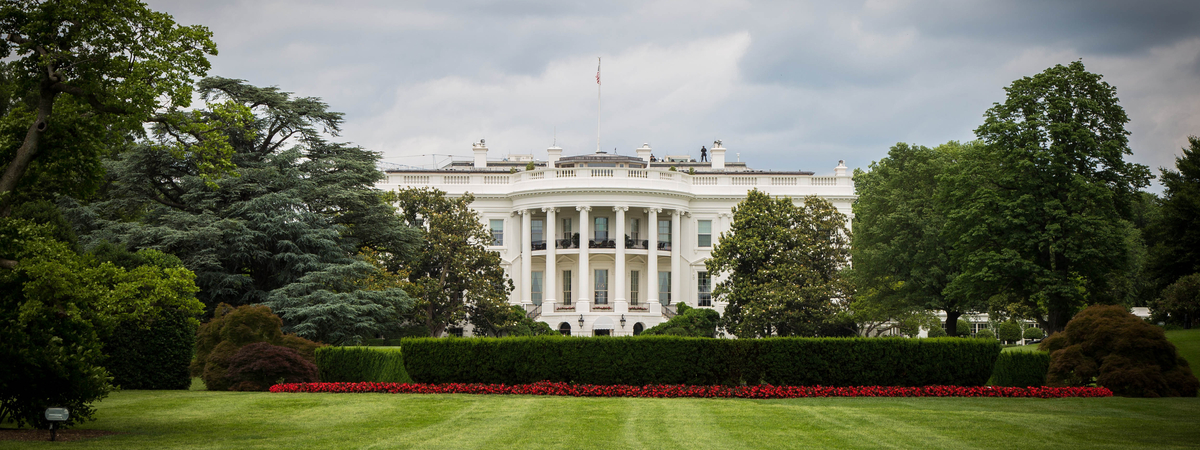
On April 23, 2025, President Trump issued an executive order entitled “Restoring Equality of Opportunity and Meritocracy.” The order aims to “eliminate the use of disparate-impact liability in all contexts to the maximum degree possible.”
Continue Reading President Trump Signs Executive Order Regarding Disparate-Impact Liability

New pay transparency requirements in Illinois take effect Jan. 1, 2025. Employers will be required to include in any job posting for covered roles the corresponding wage or salary range
Continue Reading New Year, New Rules: Illinois Mandates Pay Transparency Requirements in 2025